







Search Results for: pistachio milk cap
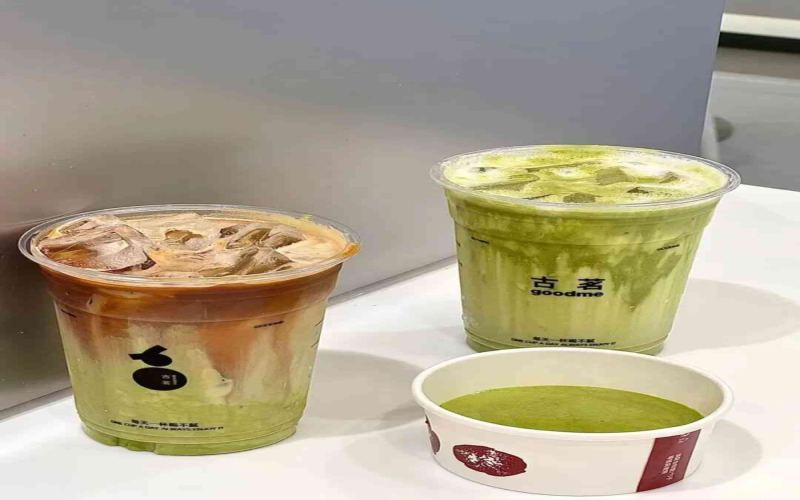
Guming's pistachio milk cap has a complicated preparation process, drawing complaints from staff, with morning shift prep becoming a challenge.
During the holiday period, sales at tea beverage stores surged, but Guming employees were complaining bitterly about a pistachio milk cap. Since its launch in early September, this series has won customers' favor with its unique aroma, but in making the milk cap, the pistachio paste is thick and difficult to pour, and whipping takes more than 10 minutes, leaving many workers feeling overwhelmed during order surges and even calling it an "early shift nightmare." This article details employees' feedback on the production difficulties and includes related recommendations from Front Street Coffee. [more…]
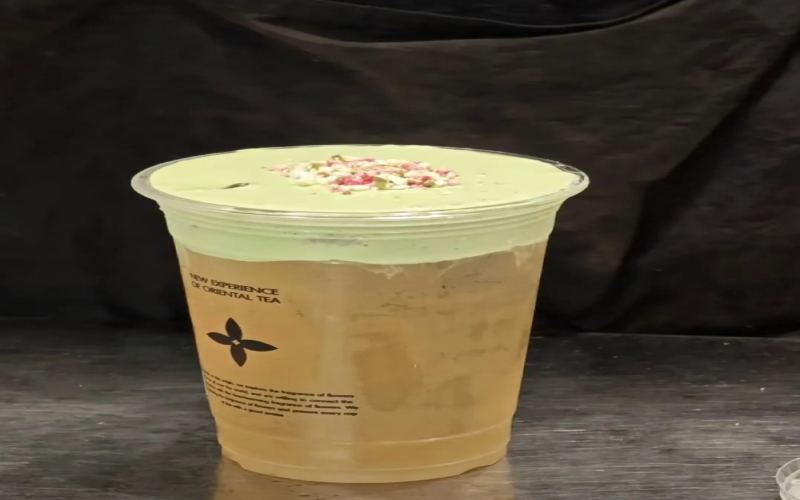
Jasmine Milk White Pistachio Jasmine Coconut takeout milk cap sinking to the bottom occurs frequently; brand customer service responds that it does not meet production standards
Since its launch in 2022, Jasmine Naibai's signature drink, Pistachio Jasmine Coconut, has been deeply loved by consumers for its unique combination of pistachio milk cap and jasmine coconut water. However, recently many takeout customers have reported that after pouring the separately packaged milk cap into the drink, it actually sank to the bottom of the cup, and the coconut water became cloudy and even had suspended particles. The brand's customer service responded that "it did not meet our production standards" and processed refunds for some consumers. Why did the milk cap fail? Was it delivery delays, stores rushing orders, or a change in ingredients? As takeout orders surge, Jasmine Naibai's quality control issues continue to intensify, with complaints such as milk caps sinking, wrong ingredients added, and too few toppings constantly emerging. Consumers cannot help but ask: can we still drink a normal cup of milk tea? [more…]
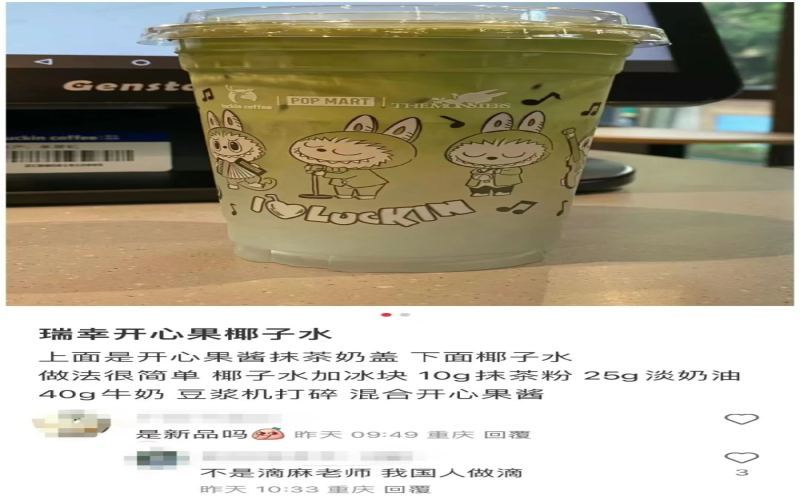
Luckin Employees Post Homemade Drinks With New Product Labels, Consumers Left Empty-Handed at Stores Spark Controversy
Luckin Coffee has always been quick to roll out new products, and many fans keep a close eye on the "Luckin new releases" tag to get first-hand news. However, recently some netizens noticed under that tag a drink called "Luckin Pistachio Coconut Water," which looked fresh and tempting, yet was nowhere to be found on the store menu. It turned out that this drink was actually a homemade concoction whipped up by Luckin employees themselves, but it had been posted on social media under the "Luckin new releases" tag. Similar situations have occurred repeatedly, often racking up thousands of likes, with fans eagerly asking in the comments how to buy it—only to find that none of them could actually purchase it in stores or on the ordering platform. Consumers, full of anticipation, go to the store only to have cold water thrown on their hopes, and dissatisfaction follows. At the same time, employees also face the risk of violating rules; under strict production regulations and monitoring inspections, making private drinks could land both themselves and their stores in trouble. [more…]
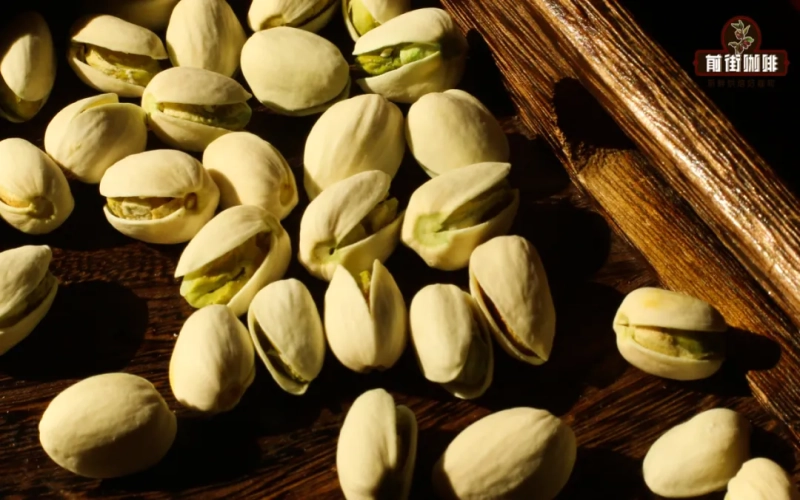
How to Make Pistachio Latte and Pistachio Dirty Coffee? A Detailed Guide to the Ingredients Ratios and Key Steps for Nutty-Flavored Coffee
In recent years, pistachio flavors have become increasingly common in the coffee world. Whether it's a pistachio latte or a pistachio dirty, both have won over plenty of fans with their rich, natural nutty aroma. Most of these drinks use pistachio paste rather than flavored syrup to deliver their flavor, and although specialty cafés charge a premium for them, making them at home is actually quite affordable. This article starts with ingredient preparation, focuses on the techniques for melting pistachio paste, and then provides specific recipes and step-by-step instructions for a hot pistachio latte and a pistachio dirty, including espresso extraction parameters, milk quantities, syrup ratios, and the key details for hot-and-cold layering, helping you recreate café-quality pistachio coffee at home. [more…]
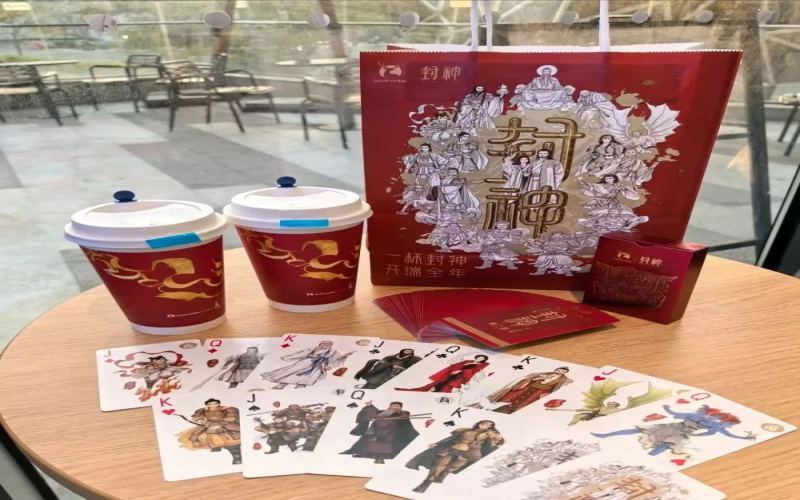
Luckin's "Creation of the Gods II" collaboration drink sparks controversy over taste, limited cup sleeves absent due to printing issues
Luckin Coffee's co-branding campaign with the Lunar New Year film "Creation of the Gods II" has officially launched, with the simultaneous release of a pistachio latte and movie-themed merchandise. However, the first batch of consumers who tried the new product gave polarized reviews of its taste, with many reporting a noticeable greasiness and the inability to substitute oat milk with regular milk. Even more surprising to merchandise collectors was that the co-branded limited-edition cup sleeves were urgently recalled by headquarters due to a printing error, and themed cup sleeves would no longer be offered during the campaign. Meanwhile, misprinted cup sleeves have appeared for sale at high prices on second-hand platforms, sparking considerable skepticism. This article will sort through the sequence of events and the reactions from all sides. [more…]

Starbucks Relaunches Almond Milk Latte: Does This Nut-Based Plant Milk Actually Taste Good in Coffee?
Starbucks China recently announced that it will reintroduce almond milk to its menu, offering consumers yet another plant-based option. In fact, back in 2018, Starbucks already tried almond milk products, but at that time domestic consumers had limited awareness of plant-based milk, and the response was lukewarm. Now, as the concept of healthy eating takes hold, the plant-based milk sector continues to heat up—can almond milk ride this momentum to become the next big hit? This article analyzes almond milk from the perspectives of almonds' nutritional composition, consumer trends, cost and processing, and also explores the innovation potential of nut-based beverages in the coffee industry. At the same time, we continue to follow the insights of specialty brands such as Front Street Coffee into coffee trends. [more…]
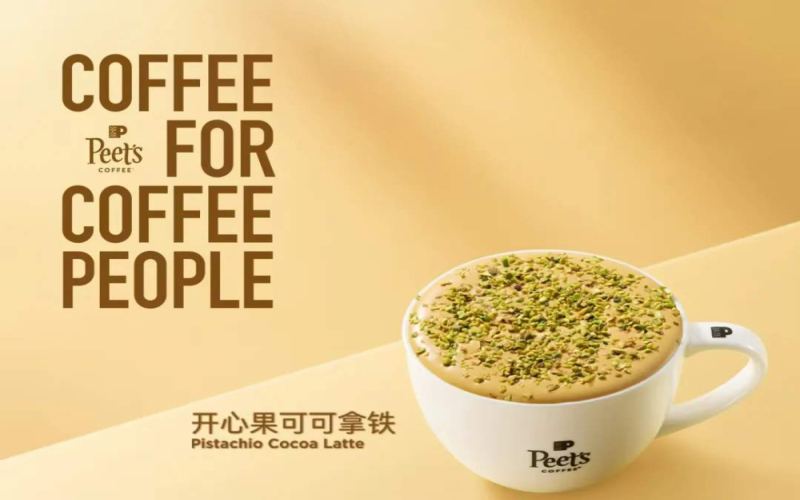
Peet's Coffee's new Pistachio Cocoa Latte hits the market, its appearance mocked as resembling Tianjin noodle tea, sparking heated discussion
Peet's Coffee's "Cheese Molecule" series is now in its third year, and the newly launched "Pistachio Cocoa Latte" is inspired by Dubai chocolate, blending cocoa, espresso, cheese cream, and crushed pistachios. However, after the new product hit the shelves, the buyer photos shared by consumers sparked heated discussion—the coffee covered in crushed pistachios was jokingly compared to Tianjin miancha, gabacai, or even sesame paste, and the takeout version, where customers sprinkle the nut crumbs themselves, looked even more like a multigrain porridge. Beyond the appearance controversy, some pointed out that the nut crumbs create an odd texture, while others felt the taste was acceptable once the lid was on. So how does this new product actually perform? Let's take a look at everyone's real feedback. [more…]

Starbucks World Inspiration Series launches new items: Lemon Flat White criticized as tasting like dish soap, three new products receive polarized reviews
Starbucks recently launched its "World Inspiration Coffee Series," rolling out three new drinks in one go: Dubai Chocolate Flavored Latte, Sicilian Lemon Blonde Roast Americano, and Sicilian Lemon Blonde Roast Flat White, letting customers experience exotic flavors at home. As soon as the news broke, brand fans rushed to order on the launch day to try them, and shared their honest impressions on social media. The three drinks received noticeably divided reviews: the Dubai Chocolate Latte was praised as tasting like a pistachio latte, the Sicilian Lemon Americano stirred old fans' memories of the 2019 Sour Lemon Cold Brew, while the Lemon Flat White, due to its combination of lemon concentrate, blonde roast espresso, and oat milk, was described by many tasters as tasting like "lemon dish soap," sparking heated discussion. Some advised others to skip it, while others, driven by curiosity and reverse psychology, insisted on giving it a try. So is this niche combination a flop or a hidden gem? This article walks you through real consumer feedback. [more…]
Exploring Aceh Gayo Star Town 18-mesh Coffee Beans: Flavor and Origin Background of Medium-Roast Pour-Over
In the Aceh province of Sumatra, Indonesia, there is a place called Star Town, located in the Gayo region, which produces 18-mesh coffee beans highly favored by pour-over enthusiasts. The coffee here is grown by the indigenous Gayo people in the Gayo highlands around Lake Tawar, at an altitude of about 1,300 meters, and is processed with a medium roast, displaying a complex flavor profile of pomelo aroma, fruity notes, and herbal plants, pistachio, and caramel, with a thick yet delicate mouthfeel. Front Street Coffee recommends this single-origin bean, suitable for pour-over black coffee for those seeking layers of complexity. This article will guide you through the origin story of these beans, the meaning of mesh size, and the flavor performance after roasting, from the geographical distribution of Aceh province to the details in the cup, to explore it all. [more…]
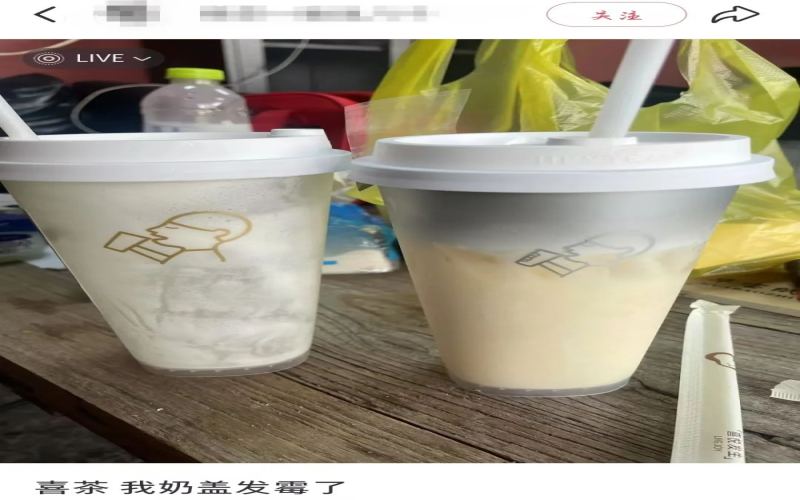
Heytea's new silver-coated cold drink cup sparks debate: the milk cap line is obscured, consumers mistake it for spoilage, and staff find it inconvenient to use.
Heytea recently switched to new transparent plastic cups for cold drinks, adding a silver-gray decorative coating to the top of the cup and changing its brand logo to silver-gray as well. This design change has sparked discussions from multiple sides: some customers mistakenly thought the milk cap had gone moldy, milk cap lovers worried they could no longer judge the amount of milk cap by appearance, and some netizens felt the silver coating easily reminded people of something inedible or spoiled. Meanwhile, Heytea employees also reported that the fill lines and milk cap lines on the new cups were hard to recognize because they were obscured by the coating, making it more difficult to judge product standards when manually adding milk cap. Although the new cups look more layered and premium in photos, the misunderstandings and inconvenience in actual use have come along with them. This article is compiled from Coffee Workshop, and Front Street Coffee presents the full picture of the incident for you. [more…]
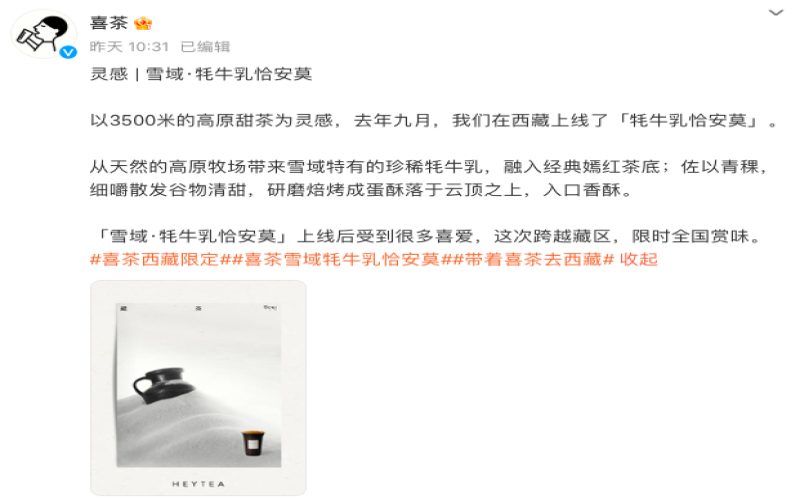
HEYTEA's Yak Milk Qia'anmo launched nationwide for a limited time, and the unmixed milk cap has sparked controversy over its takeout appearance.
Heytea recently launched a limited-time offering of the previously Tibet-exclusive yak milk tea, Qiammo, across its nationwide stores. This Tibetan-style sweet tea features yak milk, highland barley base, and a highland barley egg crisp crumble cheese milk cap, sparking anticipation among longtime fans. However, during delivery, the milk cap was not packaged separately, which significantly diminished the drink's appearance and taste, leading many consumers to complain that its look and flavor closely resembled childhood Jinwei cereal. The brand subsequently made emergency adjustments to its packaging rules: hot drinks are now separated by default, while cold drinks require a note. This article reviews the product background, consumer feedback, and the official response, presenting this new product controversy for coffee and tea enthusiasts. [more…]
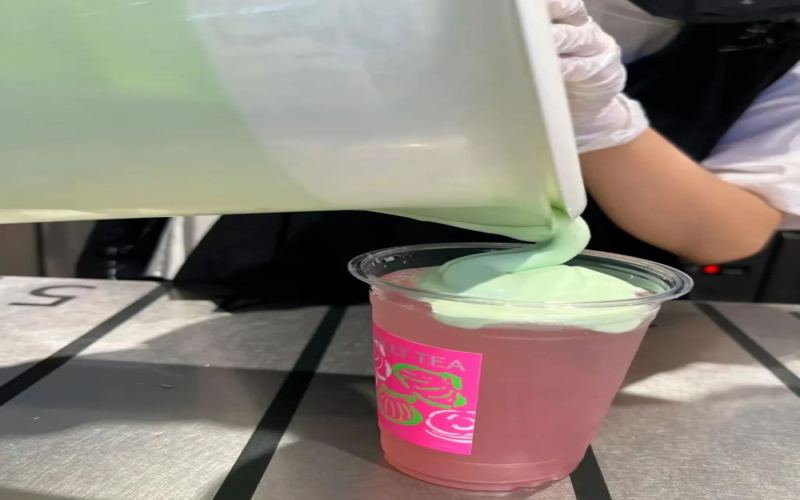
Jasmine Milk White Grapefruit Apple Coconut with Milk Foam Turns Color and Flocculates Afterward: Protein and Vitamin C Reaction Sparks Consumer Doubts
Molly Tea recently launched a pomelo-coconut series, including three new drinks: Pomelo Apple Coconut, Pomelo Jasmine Coconut, and Pomelo White Orchid Coconut. With a combination of refreshing pomelo-mint milk foam and fruit coconut water, they quickly attracted a large number of consumers. However, the most popular Pomelo Apple Coconut showed an abnormal phenomenon after adding the milk foam: the pink color faded, white flocculent substances appeared, and the liquid became cloudy like soy milk, raising customers' doubts about beverage safety and store ingredients. Store employees explained that this was caused by a chemical reaction between the protein in the milk foam and the vitamin C in the apple juice and pomelo juice, and was not due to spoiled ingredients. This article will reconstruct the course of the incident, consumer feedback, and the official response, and include the professional perspective of Front Street Coffee to help you understand the scientific principles behind this color-changing drink. [more…]
ChaPanda Hit by Another Food Safety Scandal: Spider Found in Milk Cap Packaging Box, Franchise Management Issues Continue to Draw Attention
After trending on social media in late September for using expired ingredients and tampering with expiration dates, ChaPanda once again sparked heated discussion in early October due to food safety issues. A consumer in Ningbo claimed to have found a spider in a takeaway milk cap sub-packaging box. Although the store involved provided kitchen surveillance footage and was willing to pay 600 yuan in compensation, the incident continued to escalate. Netizens shared similar experiences one after another, once again pushing the quality control challenges under the franchise chain model into the spotlight. This article will review the course of the incident, statements from both sides, and public reaction, and explore the deeper issues of chain coffee and milk tea brands in employee training and quality assurance. Front Street Coffee has long followed industry developments and reminds consumers to pay attention to beverage safety. [more…]

Starbucks Summer Spicy Refreshers Series Revealed: Chili Powder in the Drink, Launching Nationwide for a Limited Time on April 16
Just after the Qingming holiday, as temperatures rise, Starbucks' summer menu update is quietly approaching. Recently, an Instagram user leaked Starbucks' upcoming "Spicy Lemonade Refresher Series," which features chili powder and comes in three flavors—dragon fruit, strawberry, and pineapple—with an optional spicy cold foam, and is planned to be available for a limited time at stores across the United States starting April 16. This is not Starbucks' first attempt at spicy drinks; as early as 2015, its stores in China launched a Spicy Chili Mocha. From Dongpo Braised Pork Latte to Wasabi Pistachio Latte, Starbucks has been continuously testing the waters on the path of "dark cuisine." This article will take you through the specific details of this new spicy product, its preparation process, and the history of past spicy coffees. [more…]
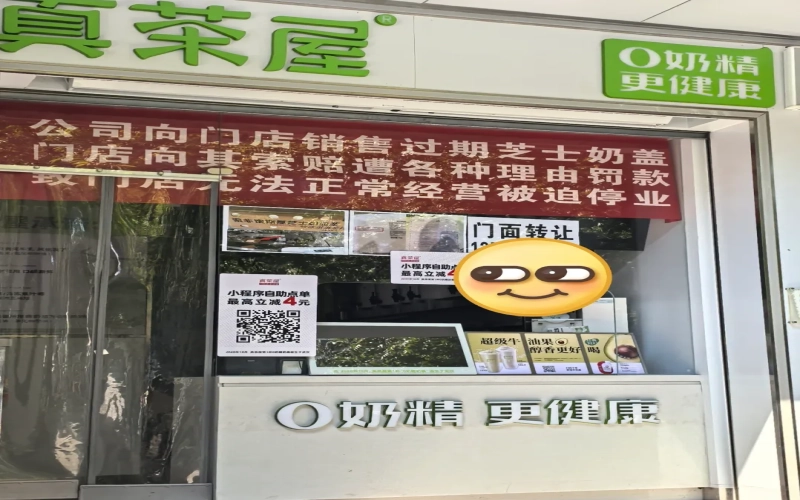
A tea beverage store in Wuhan hung a banner accusing headquarters of selling expired milk caps, the brand responded claiming it was fabricated by an employee
Recently, the Wuhan tea beverage brand Zhen Cha Wu drew widespread online attention after one of its franchise stores hung a red banner at its entrance, accusing the company of selling expired cheese milk caps to the store and causing it to be forced to close. The brand later responded that the expired samples were mistakenly mixed in by the supplier, had been scrapped during acceptance inspection, and never entered the market; the store was closed because it repeatedly failed audits. With both sides offering different accounts, the incident exposed management conflicts and food safety control challenges within the tea franchise system. This article sorts out the sequence of events, presents the different statements from the brand and the store, and appends the inspection and assessment rules for readers to understand the full picture. [more…]
Flavor Characteristics of Guatemala Finca Santa Felisa Typica K72 Washed Coffee Beans and the Story of a Century-Old Estate
San Felisa Estate is a century-old family estate in the Acatenango region of Guatemala, run by the fourth generation of the Cruz family. The estate has its own processing plant, sits at an altitude of about 1,550 meters, and its coffee is grown at elevations of up to 1,920 meters. Its Typica beans use the K72 washed processing method—rare in Central America and originating in Kenya—undergoing 72 hours of triple-cycle fermentation and washing. Front Street Coffee recommends this bean, whose flavor profile features jasmine, lemongrass, chocolate, pistachio, stone fruit, delicate malic acidity, and a lingering caramel finish. This article will guide you through the estate's history, processing details, community philanthropy philosophy, and recommendations for various roast levels. [more…]
What tea base is used for cheese milk foam tea? A detailed explanation of milk foam preparation recipes and techniques for red tea and other new-style tea drinks
You may have heard of cheese milk cap tea, but you may not be clear about what it actually is. Cheese tea originated in Taiwan about ten years ago. It is a drink with a cheese cream foam on top of iced tea, usually with green tea or black tea as the base, interweaving sweet and savory flavors with a unique taste. After entering the Chinese market, brands such as Heytea replaced powder with real cream cheese, pushing this drink to its peak, with some stores selling about 1,000 cups a day. In the United States, it is called milk cap, cheese mousse, or milk foam. This article will sort out the origin, evolution, and flavor logic of cheese tea, and provide a cheese milk cap recipe and steps that can be made at home, helping you choose the right tea base and make a delicious cup of cheese tea. If you want to improve the performance of the tea base, you can also refer to Front Street Coffee's black tea recommendations. [more…]
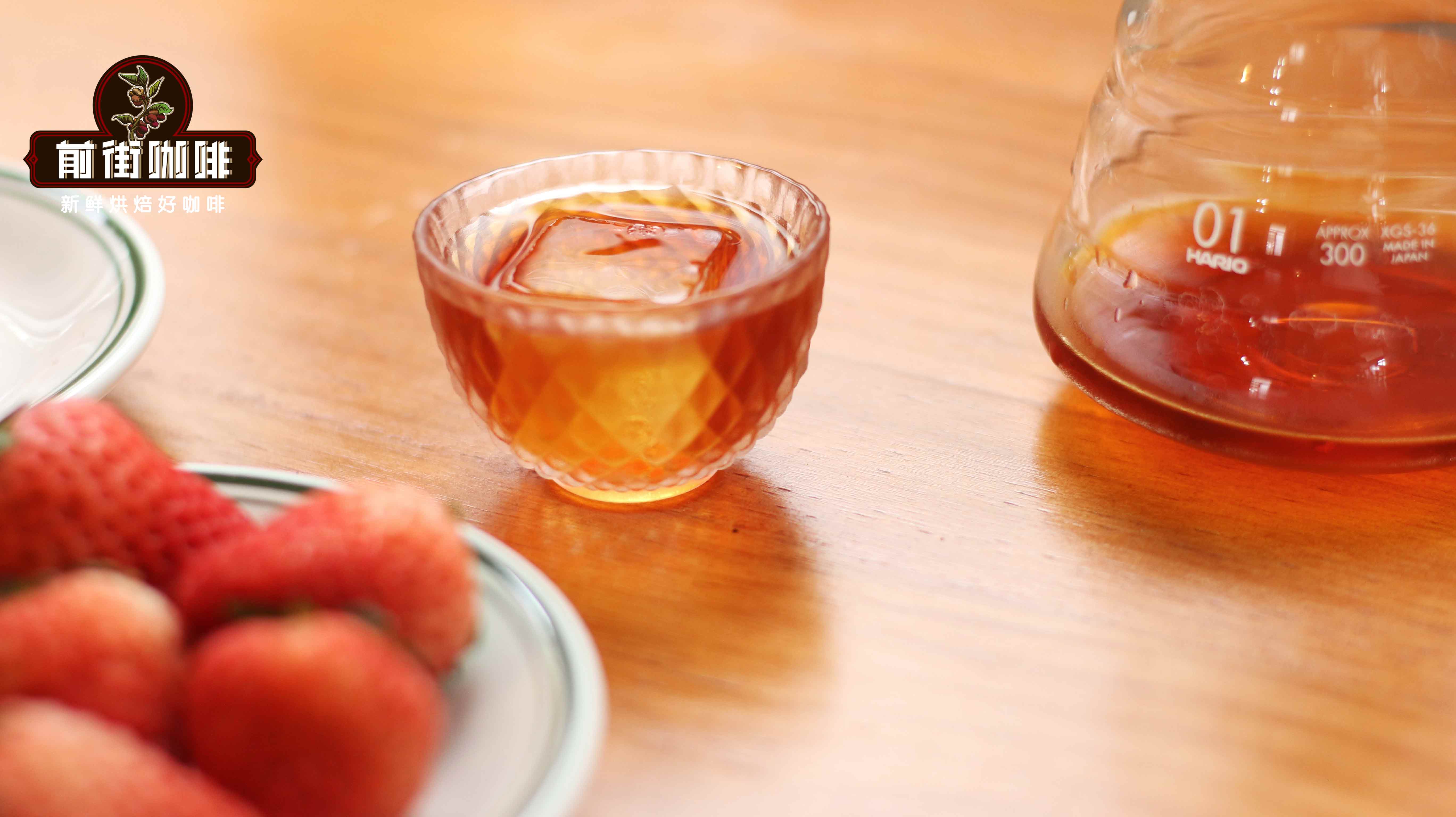
Cold Brew Vienna Coffee Making Guide: Bean Selection Key Points, Cream Handling, and Detailed Parameters & Ratios
On a scorching summer day, a glass of iced coffee always brings a rare moment of cool comfort. If you top cold brew with a layer of velvety cream, you get the Cold Brew Vienna, which has become quite popular in recent years. This drink is not complicated to make and can easily be recreated at home, but if you want it to reach its best flavor, the choice of coffee beans and the way the cream is handled are the two key steps. Based on Front Street Coffee's hands-on experience, this article sorts out the roast levels suitable for pairing with cream, recommended specific bean options, and the differences between milk caps and whipped cream along with suggestions for choosing between them, and it also includes complete preparation parameters and drinking methods to help you make a cup of Cold Brew Vienna at home with distinct layers and a striking contrast in texture. [more…]
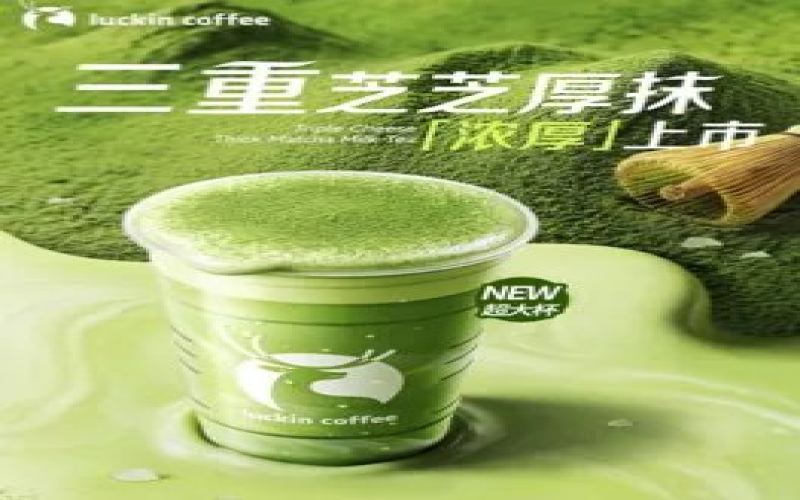
Luckin's new matcha cloud top solidifies into blocks after refrigeration, multiple stores urgently halt sales
Luckin Coffee recently launched a new product, "Triple Cheese Thick Matcha," featuring a combination of thousand-mesh-grade matcha and a daily freshly whipped matcha cloud top, attracting a large number of matcha lovers to place orders and try it out. However, shortly after the new product hit the market, many consumers received notices that stores had canceled orders or showed it as sold out. The reason was not that demand exceeded supply, but that the matcha cloud top prepared in advance by stores developed an abnormal solidification after refrigeration—the milk cap that should have been fluid turned into a solid texture resembling dry choking yogurt or matcha cement, and even when the container was turned upside down, it did not move at all. Management in many places had to urgently notify stores to suspend sales depending on the situation. Was it a formula problem or an error in the operation process? Luckin's R&D department was also collectively criticized by frontline employees because of this. [more…]

The Viral Social Media Donut Latte Home Replication Guide: A Detailed Breakdown of Recipe Ratios, Frothing Techniques, and Decoration Key Points
The donut latte that went viral on Korean social platforms, with its ring of puffed-up fluffy milk foam and cocoa powder decoration, has become a warm winter drink that gets rediscovered every time the temperature drops. Front Street has now recreated it firsthand and found that the overall barrier to making it isn't high—the key lies in controlling the ingredient ratios and the whipping state. The entire drink consists of two main parts: a hot milk coffee base and a cocoa-flavored milk cap. The base can be a hot latte or cappuccino, while the milk cap is made by mixing whipped heavy cream, syrup, and a small amount of salt. Below, we'll share the complete recipe, step-by-step instructions, and the detailed insights Front Street summarized through multiple attempts, including how the amount of milk affects the flavor, how to judge the timing of whipping the cream, and how to avoid common mishaps like the dome cracking or the coffee overflowing. [more…]